Test & Tag Regulations NSW

If you’re testing and tagging in New South Wales, the main thing to understand is that NSW now generally follows the same test and tag framework used across the rest of Australia.
However, NSW does have one important practical difference:
Some construction sites still refer to the older NSW monthly test tag colour system and intervals, even though the current approach has largely moved in line with the national quarterly system under AS/NZS 3012.
That means if you’re working on a NSW construction site, you may come across either system. The key is understanding what is currently expected, what the older system was, and what the individual site requires.
SafeWork NSW
SafeWork NSW is the workplace health and safety regulator in New South Wales. It provides guidance on electrical safety, workplace obligations and the inspection and testing of electrical equipment.
In July 2025, SafeWork NSW also became an independent workplace safety regulator. While this did not result in any major changes for the test and tag industry, it does show that workplace safety enforcement and compliance remain a strong focus in NSW. Businesses, site supervisors and technicians should make sure they are following current requirements rather than relying on outdated site practices.
If you’re unsure about your legal obligations, you should check directly with SafeWork NSW or refer to the relevant Australian Standards.
AS/NZS 3760 and AS/NZS 3012 Standards
In NSW, testing and tagging is guided by two main Australian standards:
- AS/NZS 3760:2022 - used for the in-service safety inspection and testing of electrical equipment.
- AS/NZS 3012 - used for electrical installations and equipment on construction, mining and demolition sites.
The AS/NZS 3760 applies more broadly across general workplaces, while AS/NZS 3012 is more specific to higher-risk environments such as construction and demolition.
For construction and demolition sites, SafeWork NSW refers to AS/NZS 3012 and states that electrical equipment (such as power tools and extension leads) must be inspected and tested at intervals not exceeding three months.
Need more information? Read our simple guide to the AS/NZS 3760 Standard.
Who Can Test and Tag in NSW?
In NSW, test and tag work should be carried out by a Competent Person, as defined in the AS/NZS 3760 Standard.
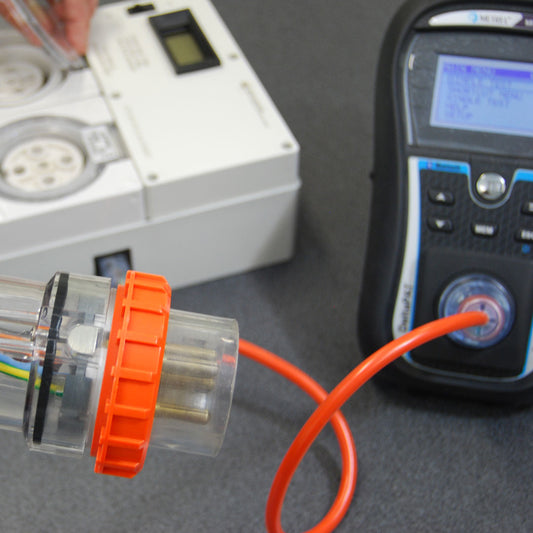
A Competent Person is someone who has the required knowledge and practical skills to inspect and test electrical equipment correctly. This competency comes from completing a Nationally Recognised test and tag course, which teaches you how to use a portable appliance tester properly.
You do not need to be a licensed electrician to perform basic test and tag work.
NSW Test and Tag Colours
For construction, mining and demolition sites in NSW, the current test tag colours generally follow the national quarterly colour system under AS/NZS 3012.
The quarterly colours are:
- Red: December to February
- Green: March to May
- Blue: June to August
- Yellow: September to November
This colour system makes it easier to identify when electrical equipment was last tested and whether it is still within the required testing period.

The Older NSW Monthly Colour System
NSW previously had a different system. Under the older approach, electrical equipment was commonly tested every month instead of every three months. Each month was linked to a specific test and tag colour.
Under the older system, the NSW monthly colours were:
- Red: January and September
- Green: April and August
- Blue: February and July
- Orange: March and November
- White: May and December
Because this system was used for many years, some NSW sites, contractors and supervisors may still be familiar with it. You may still see it referenced on older sites, internal procedures or by people who have been in the industry for a long time.
Those responsible for the construction site may choose to require monthly testing and specify which colours are used.
Monthly testing is not necessarily wrong. In fact, testing more often can be appropriate where a site has higher risk, stricter internal procedures, client-specific requirements or equipment that is exposed to heavy wear and tear.
The important point is that the testing system must be clear, consistent and properly recorded.
Test and Tag Intervals NSW
Testing frequency in NSW depends on the type of workplace and the risk level of the environment.
As a general guide:
- Building, construction and demolition: every 3 months
- Factories, warehouses and production environments: every 6 months
- Environments where equipment or cords are prone to flexing or damage: every 12 months
- Lower-risk environments where equipment is not prone to flexing or damage: up to every 5 years
These intervals are a general guide and should be considered alongside the relevant standard, workplace risk assessment and any site-specific requirements.
Some workplaces may choose to test more frequently based on internal safety policies, client expectations or the condition of the equipment.
Ready to Get Started?
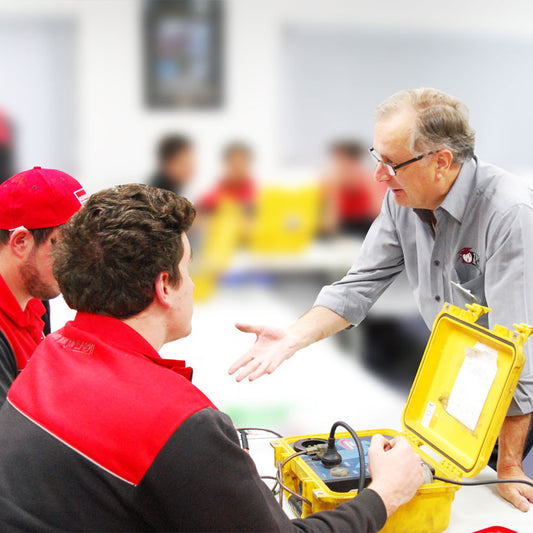
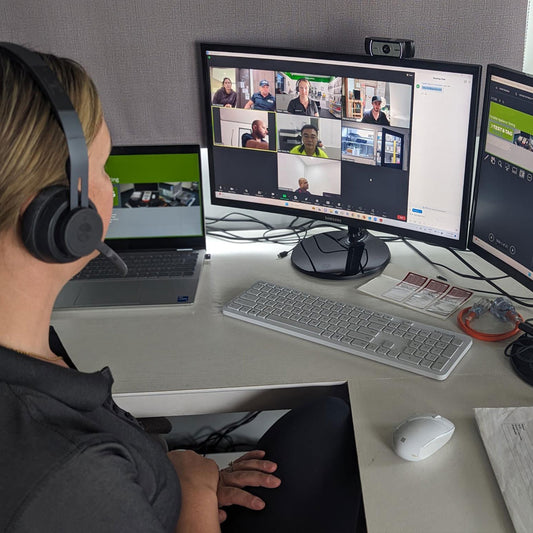
We offer face-to-face Test & Tag Courses across New South Wales, along with an online course option for those who prefer to complete the training remotely.
Our course is Nationally Recognised and designed to give you the practical skills and knowledge needed to test and tag electrical equipment confidently.
Explore NSW Training options, or contact us if you have questions about getting started.
Featured Courses
-
Face to Face Test & Tag Course
Regular price $499.00Regular priceUnit price per -
Online Test & Tag Course
Regular price $469.00Regular priceUnit price per$499.00Sale price $469.00Sale -
3 Phase Test & Tag Course
Regular price $249.00Regular priceUnit price per -
Plug Top Replacement Course
Regular price $249.00Regular priceUnit price per