
The 2026 Federal Budget has landed, and while most headlines focus on broad business or cost-of-living measures, there are several updates that could be highly relevant to the test and tag industry.
Whether you’re a dedicated test and tag operator, electrical contractor, facilities team, hire business, or managing workplace safety internally, a number of this year’s measures could have practical flow-on effects.
From the now-permanent $20,000 instant asset write-off through to proposed access to Australian Standards and broader productivity reforms aimed at reducing red tape, there are some meaningful changes worth knowing about.
Here’s what stands out.
$20,000 Instant Write-Off is Here to Stay
One of the biggest wins for small businesses in this year’s budget is the permanent return of the $20,000 instant asset write-off. Businesses with turnover under $10 million can immediately deduct eligible assets up to $20,000, rather than depreciating them over several years.
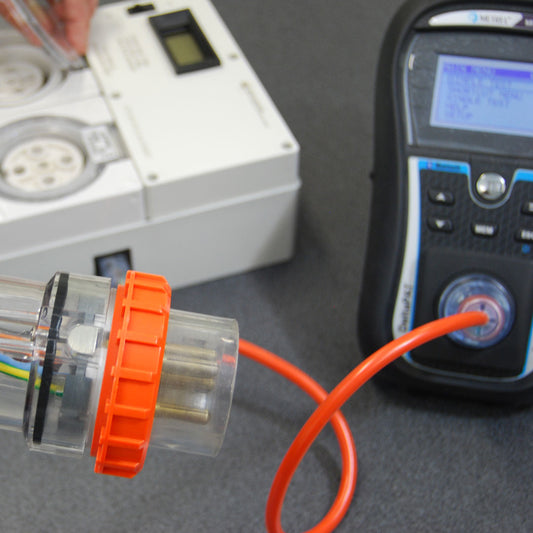
For businesses in the test and tag space, that’s particularly relevant. Whether you’ve been putting off replacing an ageing PAT tester, upgrading to a print kit, or investing in additional compliance gear, the permanent write-off makes those decisions a lot easier to justify.
Instead of stretching outdated equipment for another year, businesses now have greater flexibility to upgrade when it makes operational and financial sense.
With EOFY approaching, this is likely to be one of the most commercially relevant budget measures for businesses involved in testing, tagging, compliance, and electrical safety.
Australian Standards Set to Become Freely Accessible
One of the lesser-known announcements in the budget could actually have significant compliance implications.
The government has announced plans to make mandatory Australian Standards freely accessible, including standards relating to:
- Construction
- Occupational health and safety
- Product safety
They've stated the main goal is to reduce compliance costs for small businesses, with the government suggesting small trade businesses could save up to $1,600 per year in access fees.
That matters because access to standards hasn't exactly come cheap. If you wanted to review compliance standards relevant to your industry, that often meant paying for access through standards platforms or subscriptions - despite those same standards being referenced in legislation or regulatory obligations.
For industries like test and tag, this is potentially very positive, as the AS/NZS 3760 and AS/NZS 3012 are regularly involved in compliance discussions.
That said, the finer details are still unclear.
At this stage, we don’t yet know:
- Exactly which standards will be included
- Whether AS/NZS joint standards are fully covered
- When access becomes available
- Whether this means full or partial access
So while this looks promising, the finer details aren't completely clear - and it's one we'll be keeping a close eye on as more information is released.
Productivity Reforms and Red Tape Reduction
This year’s budget also included a broader productivity package aimed at making it easier for businesses to operate and reducing unnecessary compliance friction.
Beyond the move to make mandatory Australian Standards more accessible, the package also includes measures aimed at speeding up licensing processes, improving recognition of overseas trade qualifications, and removing some of the friction that can slow businesses down.
For industries tied closely to safety, compliance, maintenance, and trade services, that broader direction matters.
It doesn’t mean test and tag operators suddenly have fewer compliance obligations tomorrow - but anything that improves access to information, reduces admin complexity, or makes it easier for skilled workers to enter the workforce is relevant to the bigger picture.
What This Means for the Industry
If you’re actively working in the test and tag industry, these updates and direction are fairly encouraging, particularly if you're trying to run a more efficient business.
For the industry, the biggest implications are:
- Greater confidence around investing in test and tag equipment
- Eligible businesses to write off equipment purchases immediately
- Potentially easier access to compliance standards
- A push toward reducing unnecessary business admin
- Stronger support for small businesses operating in compliance-heavy sectors
While none of these changes will transform the industry overnight, they do point in a direction that's more supportive of small businesses operating in compliance sectors.
The budget is only one part of the bigger picture. If you want a broader look at what’s shaping the industry this year, check out our latest Test Tag Insights for 2026.
Of course, every business is different, so it’s always worth checking with your accountant or financial adviser before making purchasing or tax decisions based on budget changes.